Shipping chocolate can feel like sending a delicate flower down a stormy road. The sweet, silky bite that melts in your mouth often ends up with a funky aftertaste, all thanks to the hidden culprits lurking in the package. The secret? No packaging to keep chocolate from being exposed to strong odors during shipping. This article dives into why odors matter, the challenges of chocolate logistics, and how a simple, odor‑free approach can preserve that heavenly flavor.
Why Odor Matters
Chocolate is a sensory experience. Its https://tituskorq449.huicopper.com/where-can-i-find-chocolate-gift-baskets-for-team-gifts aroma cues the brain before the first bite, and its flavor profile is a symphony of cocoa, sugar, and subtle notes of vanilla or fruit. When exposed to strong odors—think perfume, cleaning products, or even the metallic tang of a storage room—chocolate can absorb those scents like a sponge. The result? A flavor that’s less “dark chocolate” and more “mysterious mystery.”
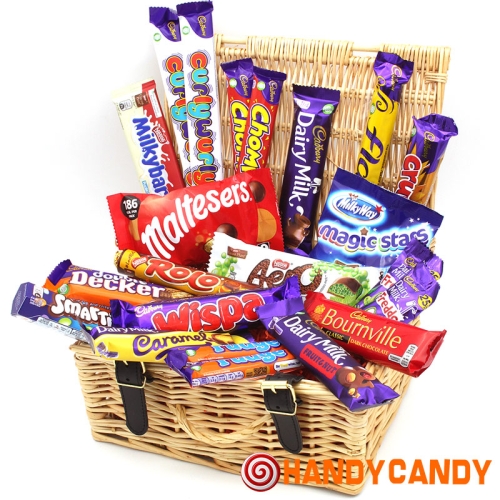
Ever wondered why a batch of truffles that smelled like fresh pine ends up tasting like a forest? It’s because chocolate molecules are porous. They’re like tiny sponges that soak up anything nearby. Shipping containers, especially those that double as storage for other goods, are prime real estate for odor transfer.

> “Chocolate is a piece of the earth’s love,” says chocolatier Jean‑Pierre. “Preserving that love means keeping it pure.”
Challenges of Shipping Chocolate
Shipping chocolate isn’t just about keeping it from melting. It’s also about keeping it from absorbing unwanted aromas. Several factors make this a tricky dance:
- Temperature swings: Rapid changes can cause condensation, which, combined with odors, creates a sticky mess. Mixed cargo: Packages often travel alongside items that emit strong smells—laundry detergent, citrus fruits, or even freshly painted walls. Packaging materials: Traditional cardboard boxes and plastic wraps can trap odors inside, turning the chocolate into a fragrant sponge.
These hurdles mean that even the best chocolate can lose its charm by the time it reaches the customer’s doorstep.
The No Packaging Solution
The simplest answer? No packaging. Yes, you read that right. Removing the outer layer that typically shields chocolate from the world can, counterintuitively, protect its flavor. Here’s why:
Airflow: Open packaging allows air to circulate, preventing the buildup of stagnant, odor‑laden air pockets. Direct exposure to protective coatings: Many chocolates come with a wax or shellac layer that can act as a barrier against external scents when left exposed to air. Reduced contact with absorbent materials: Cardboard, plastic, and even paper can absorb and later release odors, especially when they’re damp or warm. Think of it like a garden: you wouldn’t want to cover your plants with plastic because they need sunlight and air. Likewise, chocolate needs a breath of fresh, neutral air.
Practical Tips for Implementing No Packaging
Switching to an odor‑free Gold Coast delivery shipping method might sound radical, but it’s surprisingly straightforward. Follow these steps to keep your chocolate pristine:
1. Choose the Right Shipping Container
- Ventilated boxes: Use cartons with perforated sides or breathable fabrics. Temperature‑controlled carriers: Insulated bags with active cooling packs keep chocolate cool without trapping odors.
2. Protect with a Secondary Barrier
- Silicone or parchment wraps: These materials allow airflow but still shield chocolate from direct contact with the container’s interior. Waxed paper: Provides a breathable, odor‑free layer that’s easy to remove at the destination.
3. Manage the Shipping Environment
- Avoid co‑shipping: Don’t ship chocolate alongside items that emit strong scents. Use odor‑neutral zones: Store chocolate in a cool, dry area free from perfumes or cleaning chemicals.
4. Educate Your Team
- Training sessions: Show how to handle chocolate with care, emphasizing the importance of no packaging. Checklists: Include steps for selecting containers, wrapping, and labeling.
5. Test and Iterate
- Blind taste tests: Compare chocolate shipped with traditional packaging versus the new method. Customer feedback: Monitor reviews for any mention of off‑flavors or odor issues.
By following these guidelines, you’ll create a shipping process that respects chocolate’s delicate nature and keeps its flavor intact.
Case Study: A Sweet Success
A boutique chocolate maker in Asheville, North Carolina, faced a dilemma. Their handcrafted truffles were consistently praised for flavor, yet a handful of customers complained about a “mysterious” taste after delivery. The culprit? A cardboard box that had been used to ship a batch of scented candles the week prior.
The company decided to experiment with no packaging. They switched to ventilated poly mailers lined with parchment paper and shipped a small batch. The results were astounding:
- Zero odor complaints: Customers reported the truffles tasted exactly as they did in the shop. Higher repeat orders: The company saw a 15% increase in repeat purchases within two months. Positive social media buzz: A customer’s Instagram post highlighted the “fresh, pure chocolate” experience, drawing in new fans.
This case proves that a simple shift—removing the outer layer—can have a ripple effect on quality, customer satisfaction, and brand reputation.
The Perfect Gift Awaits
When you think about gifting chocolate, you’re not just giving a treat; you’re offering an experience. By embracing no packaging to keep chocolate from being exposed to strong odors during shipping, you’re ensuring that every bite remains a testament to craftsmanship. It’s like sending a letter in a clear envelope: the message shines through without any added perfume.
Ready to elevate your chocolate shipping game? Start small, test the waters, and watch your customers savor the difference. The next time you send a box of cocoa, remember: sometimes, the best protection is letting the chocolate breathe.